
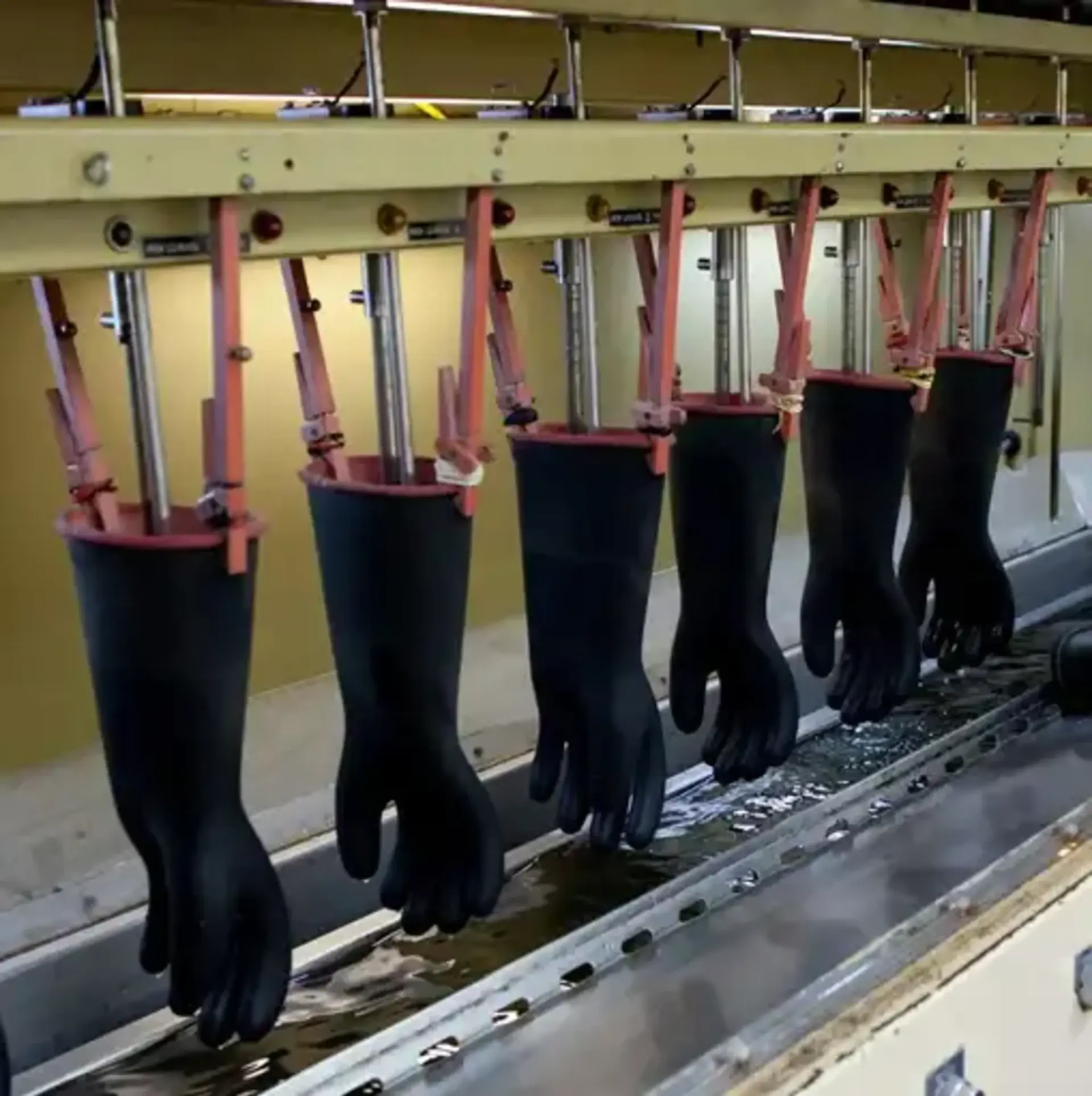
Rubber Glove Testing Lab
OEL Worldwide Industries provides ASTM-compliant dielectric testing for rubber insulating gloves and sleeves, recertifying your protective equipment for safe field use.
To place a glove testing order, please call our customer service line.
800.818.2244Our Process
Every piece of rubber insulating equipment moves through a rigorous, ASTM-compliant process from the moment it arrives at our lab until it is returned ready for service.
 1
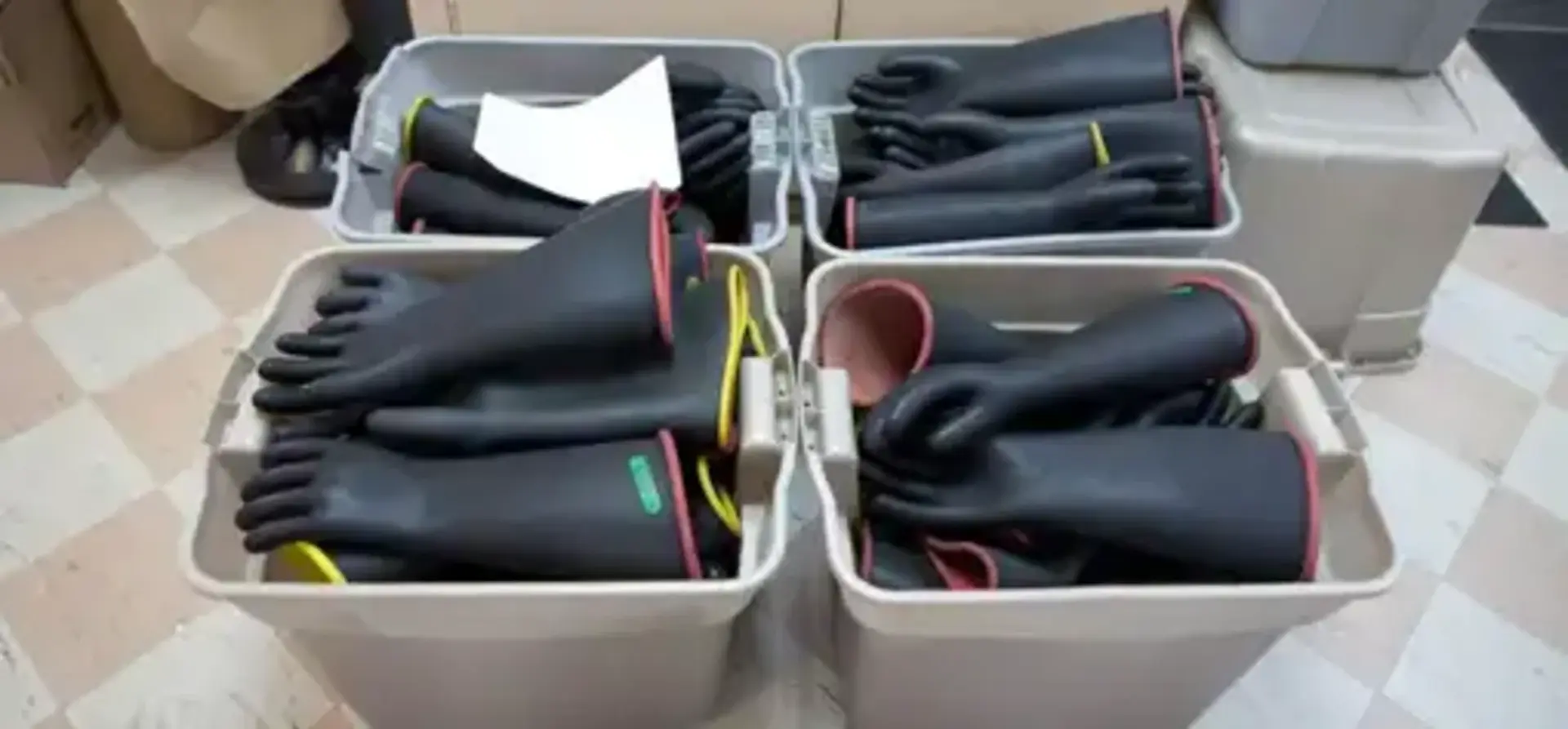
1Receiving
Gloves start in our receiving department and are entered into our system by pairs to accurately detail the quantity and characteristics of each glove. They are brought into the washroom to start the cleaning process.
 2
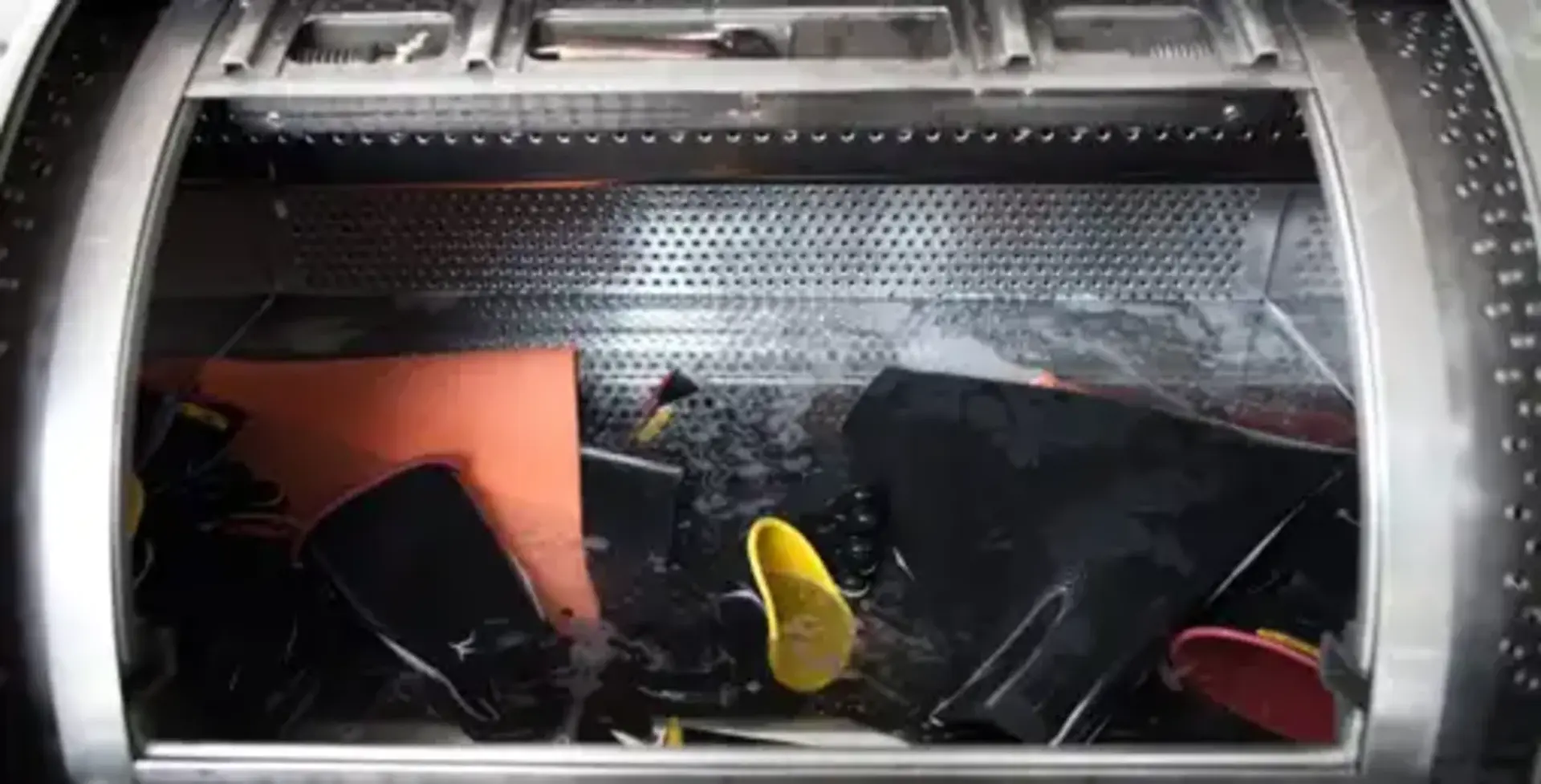
2Washing
Gloves are washed in our commercial washers with detergents that disinfect and remove contaminants. These detergents are specifically designed for the use on rubber insulative equipment. The gloves are then dried for testing to prevent flashover.
- 3
Electrical Glove Testing
OEL is capable of testing all gloves as classified by ASTM. All testing is performed using AC current in accordance with ASTM testing standards, which are nationally recognized by OSHA to be the industry standard. Our technicians prep the dielectric gloves testing machine to ensure all settings meet these standards. The machines grounding rods act as a ground reference if the electricity punctures through the glove. Gloves are hung individually from the rack of the tester by pins. As testing begins, the gloves are filled with water and the tester closes to safeguard our employees from electric shock potential. The water in the tank is energized to the appropriate test voltage. Voltage is applied for at least one minute for retest gloves and three minutes for new gloves. Electrical current levels are monitored during this time to ensure current leakage is not in excess. The gloves are then dried a second time.
 4
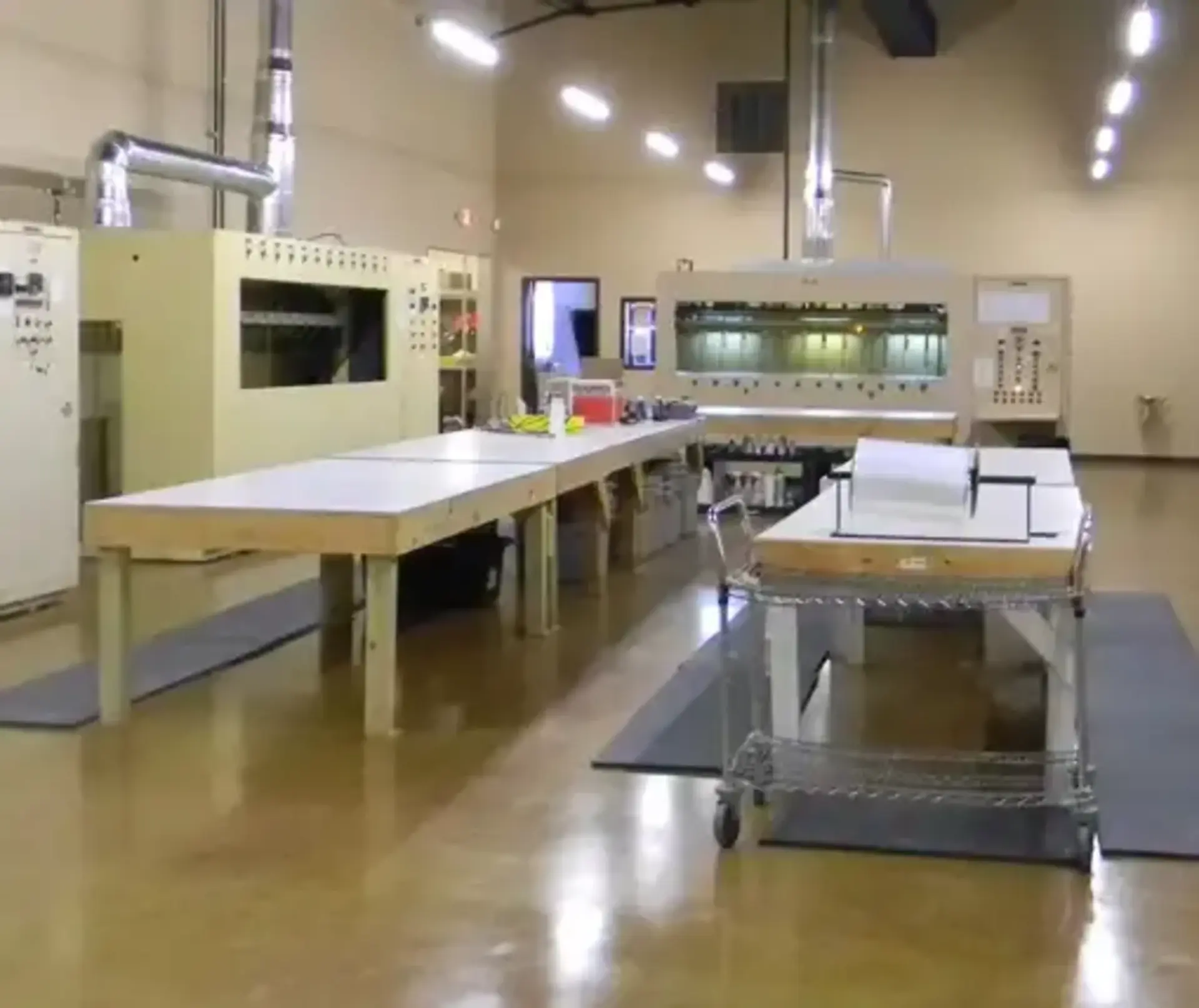
4Visual Inspection
Gloves that have passed dielectric testing are then moved to our inflation area where visual inspection is performed. Compressed air is used and regulated to ensure that gloves are inflated to ASTM specifications and not overinflated. Extra bright lighting is located at this station to ensure that no defects are missed. Our technicians inspect the entire surface area inside and out, looking for any defect that may compromise the integrity of the glove. All types of mechanical damage are caught at this stage; even those that pass dielectric testing. This is the most important stage in our process seeing as this is the last step where failures can be caught. Only our most experienced, well qualified, technicians perform this task.
 5
5Fails
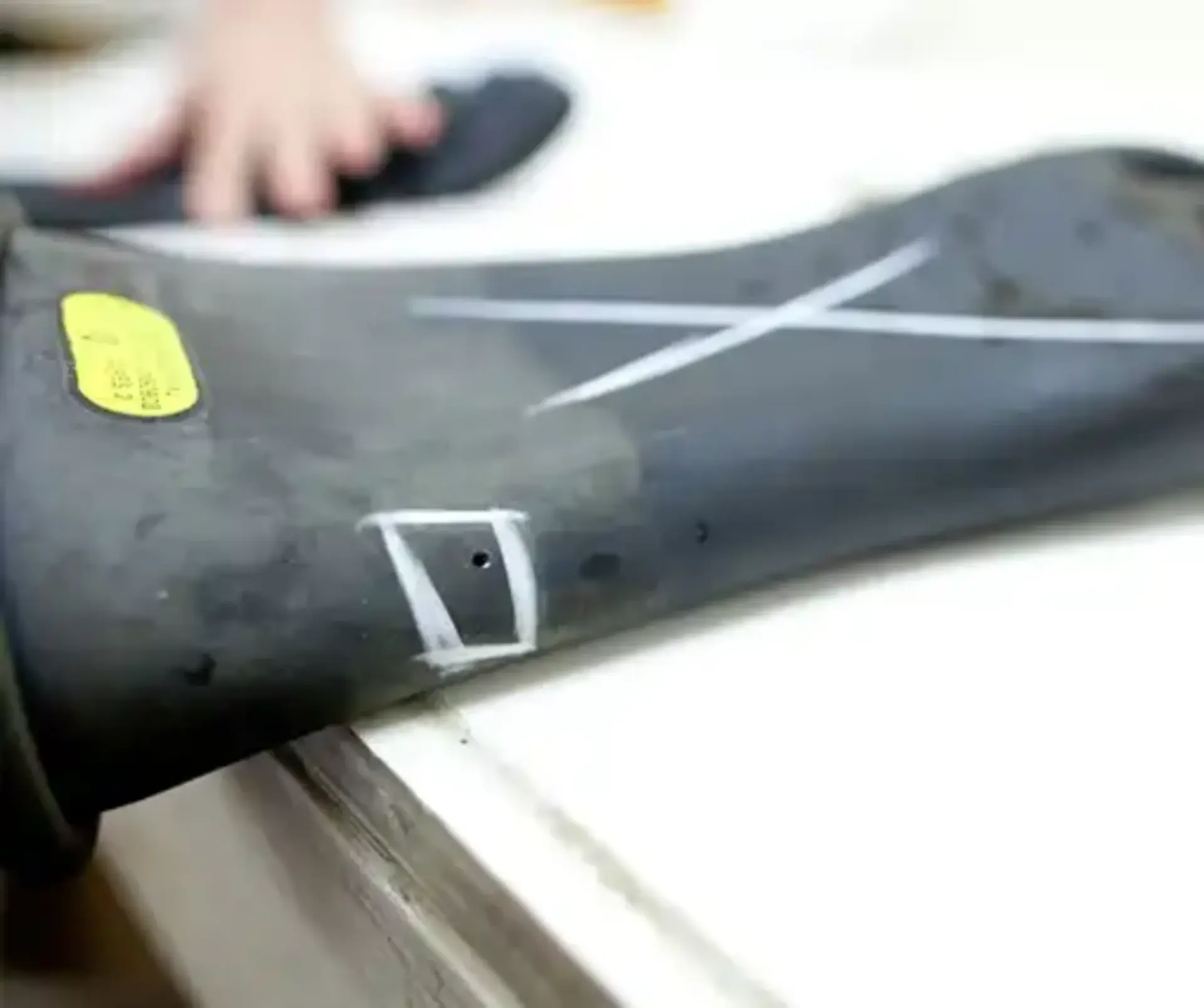
Electrical failures occur due to a breakdown in the insulating properties of the rubber. The electricity punctures through the rubber, introducing electrified water into the grounded water, thus, causing what’s known as a “dead short”. Any glove that fails during dielectric testing is removed from the tester and is defaced to ensure no future field use. The remaining gloves are cycled through testing again to ensure the full duration of testing time is achieved. All electrical and visual failures are logged and turned into our administration personnel to inform the customer of the failures. New gloves are kept in stock and customers are given the option to replace any failures. All new gloves are run through appropriate testing and visual inspection.
 6
6Stamping
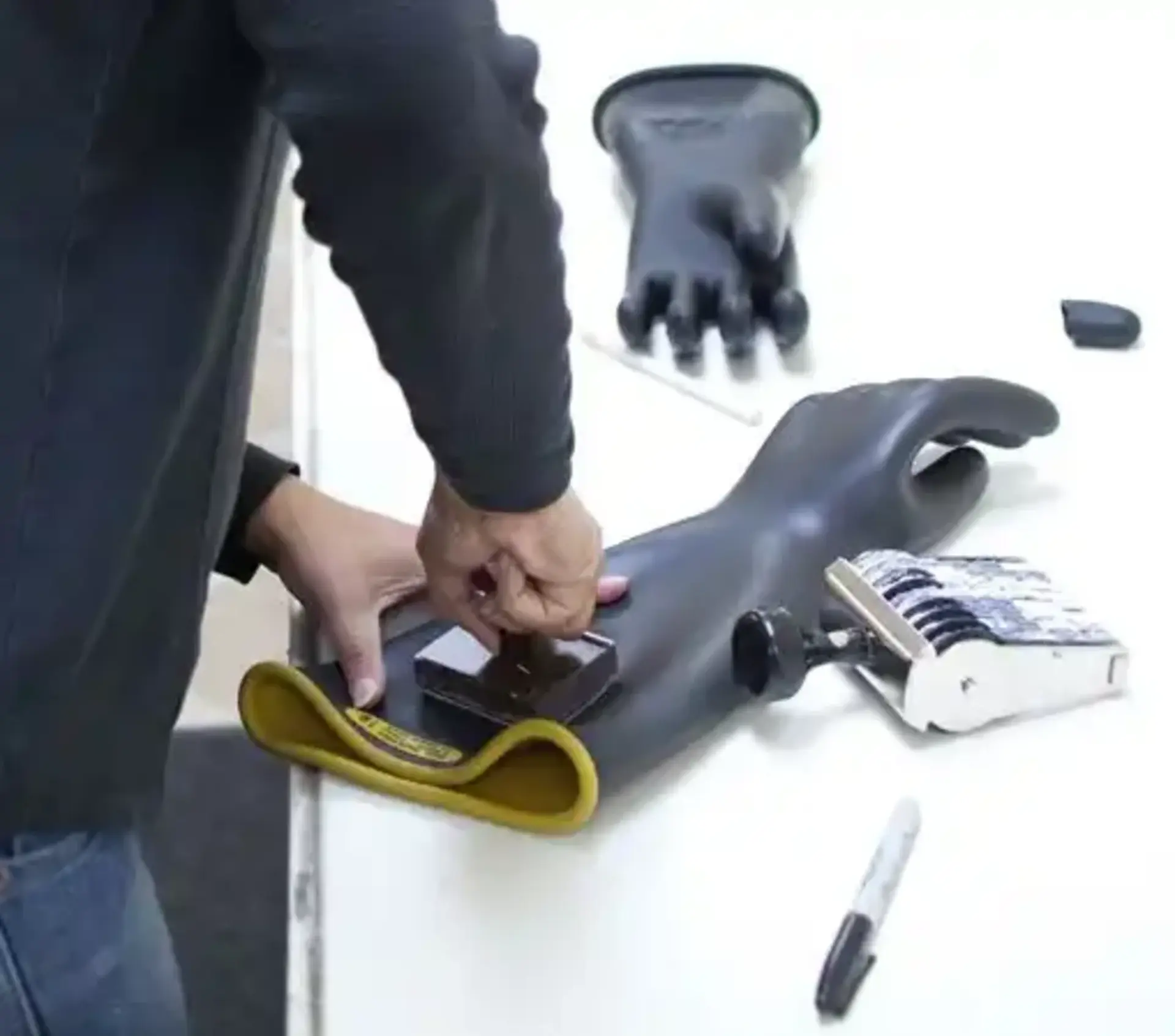
To stay compliant with OSHA, all passing electrical glove testing pieces are stamped with the necessary information according to ASTM D120. A unique stamp detailing the voltage applied during the test, along with the maximum field use voltage is applied. The gloves are then stamped according to the date they are tested, this allows customers to easily identify gloves that are in and out of compliance.
 7
7Final Inspection
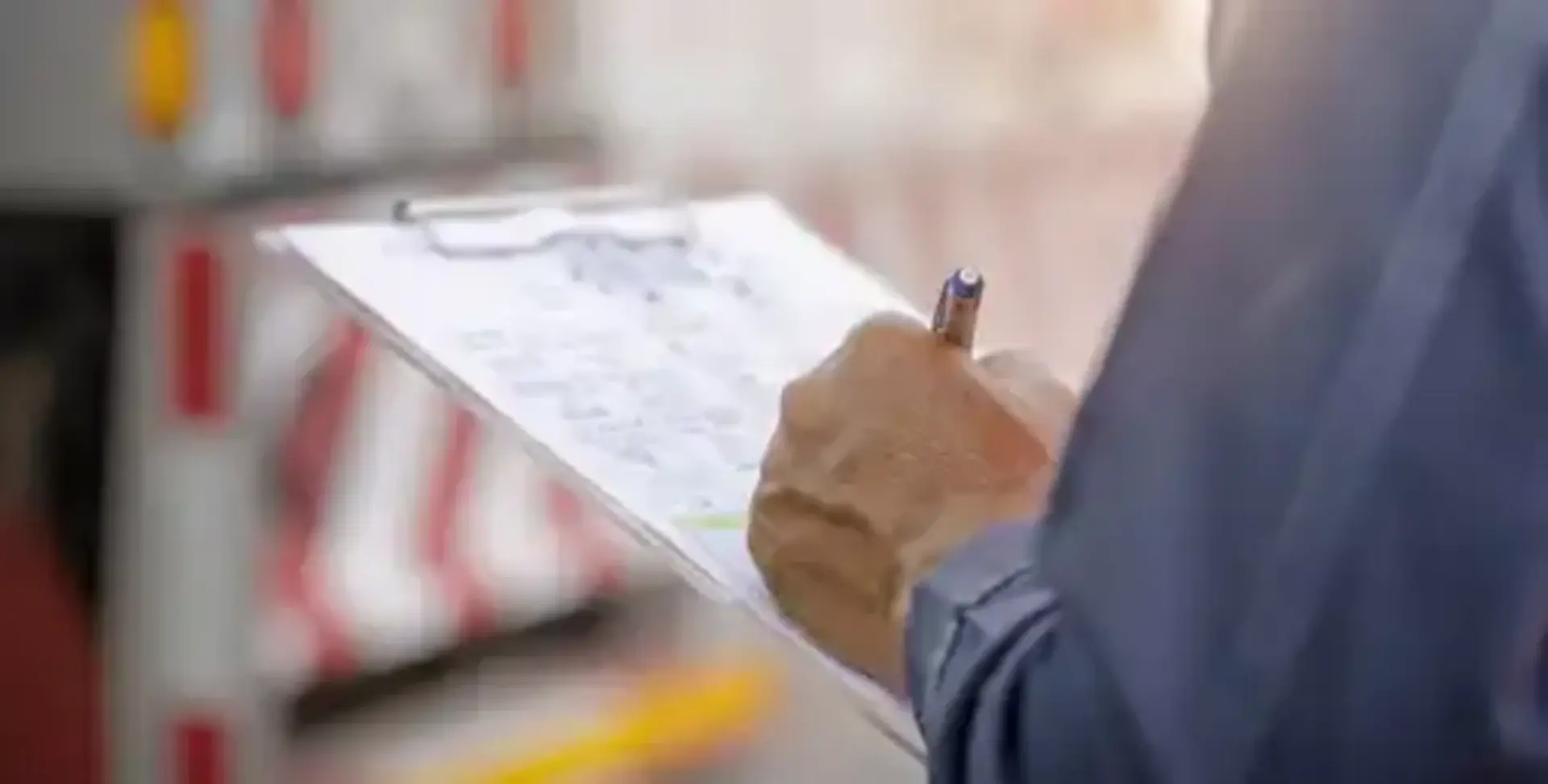
Final Inspection begins when a lead technicians is called to inspect all technicians’ stamps for accuracy. All stamps are checked against any paperwork submitted by our customers to ensure special requests are being met; and, all information has been logged correctly by our Receiving Dept.
 8
8Packaging
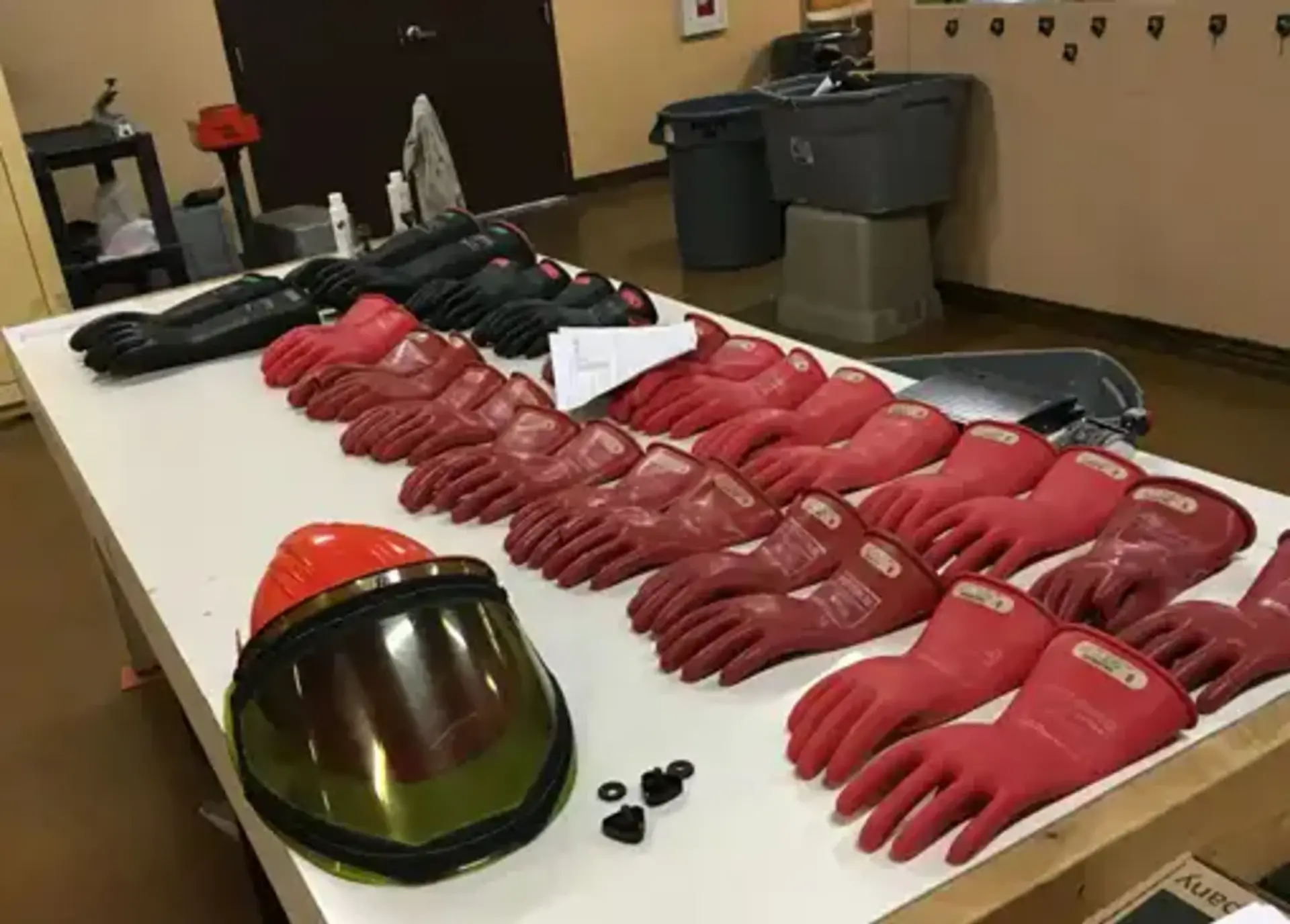
The inside of each glove is powdered to help keep the end users hands dry for the initial use. For easy identification, each pair of gloves is packaged in a clear bag and heat sealed. The heat seal allows customers to know when a pair of gloves has been issued out for service. Labels are applied to boxes to help our customers to easily identify contents without our customers having to open each box. This makes for easy distribution back to their employees and storage. Qualified Technicians generate a test report and send with each order for record keeping purposes.
 9
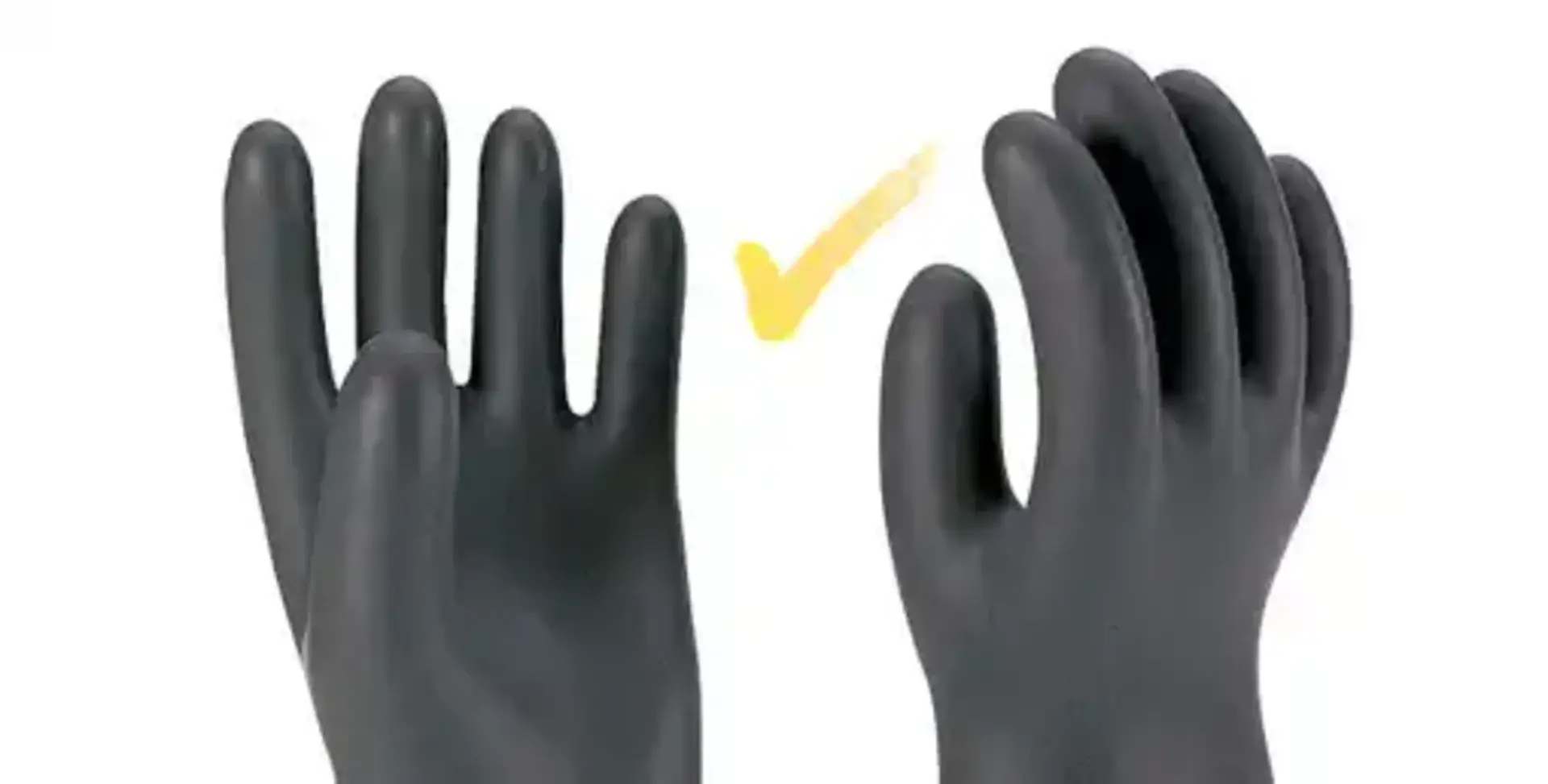
9Final
Once all equipment has been tested and inspected it is sent back to you ready for use! Need new gloves? OEL also sells new gloves which are tested prior to being shipped to you.
Testing Information
OEL tests to the AC voltage classes defined by ASTM. Review the voltage ratings below for rubber gloves and sleeves.
Please call our customer service line to place a glove testing order.
800.818.2244Rubber Glove Testing — ASTM D120
| Class | Voltage Rating [A/C] | Voltage Tested [A/C] |
|---|---|---|
| Class 00 | 500 volts | 2,500 volts |
| Class 0 | 1,000 volts | 5,000 volts |
| Class 1 | 7,500 volts | 10,000 volts |
| Class 2 | 17,000 volts | 20,000 volts |
| Class 3 | 26,500 volts | 30,000 volts |
| Class 4 | 36,000 volts | 40,000 volts |
Rubber Sleeve Testing — ASTM D1051
| Class | Voltage Rating [A/C] | Voltage Tested [A/C] |
|---|---|---|
| Class 2 | 17,000 volts | 20,000 volts |
| Class 3 | 26,500 volts | 30,000 volts |
| Class 4 | 36,000 volts | 40,000 volts |
Before You Ship
We ask that you remove all gloves from glove storage bags and leather protective working gloves. If gloves are sent in singles, they will be tested as pairs.
Lead Time
Estimated 2/3 weeks upon receiving items.